
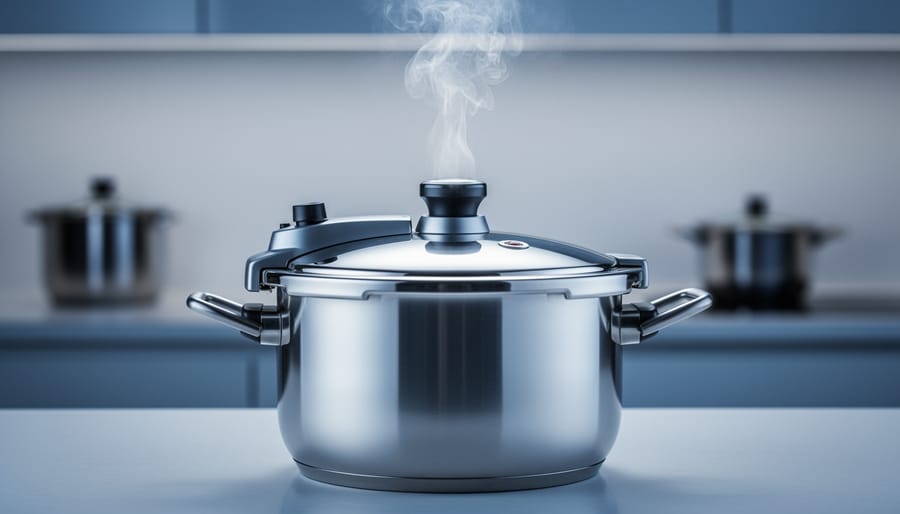
Pressure cooking science explains how sealed vessels use elevated pressure to raise water’s boiling point above 100°C (212°F), dramatically accelerating chemical reactions and physical changes that transform food. When pressure inside a sealed pot reaches approximately 15 psi above atmospheric pressure, water boils at roughly 121°C (250°F), cutting cooking times by up to 70 percent while preserving nutrients that escape through prolonged conventional cooking.
The physics behind this kitchen …
What Are Ceramic Coatings? How Nanotechnology Protects Modern Vehicle Paint
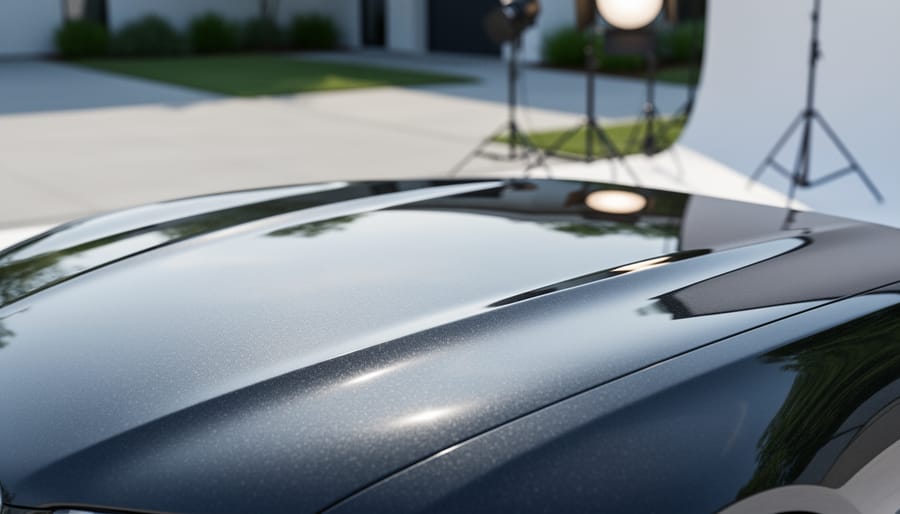
Ceramic coating nanotechnology uses microscopic particles, typically measuring between 50 and 100 nanometers, to create an ultra-thin protective layer that chemically bonds with a vehicle’s paint surface at the molecular level. Unlike traditional waxes or sealants that simply sit on top of paint, these nanostructured coatings form covalent bonds with the clear coat, creating a semi-permanent shield that repels water, resists scratches, and blocks UV damage.
The science behind this protection lies in the nano-scale engineering. Silicon dioxide (SiO₂) and titanium dioxide (TiO₂) molecules arrange themselves in a crystalline …
What Is Simmering Water (and How Does It Work)?
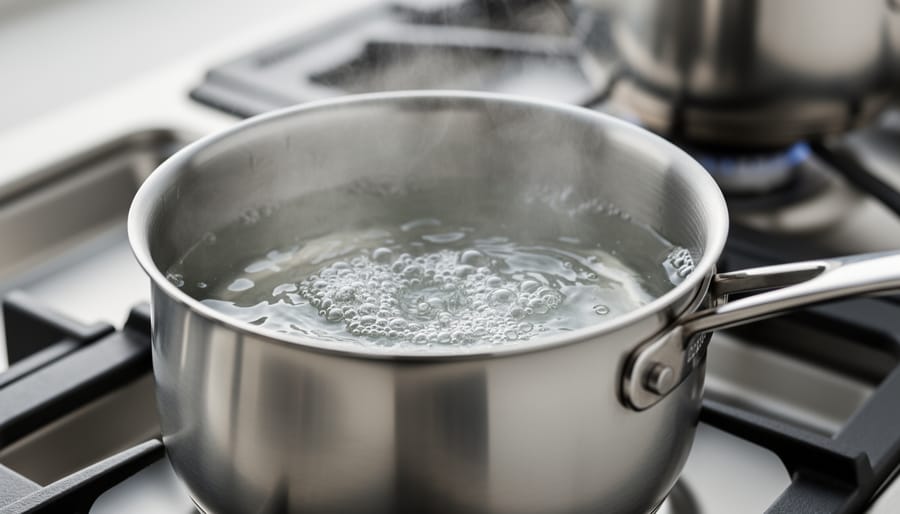
Simmering water is water heated to a temperature between 180°F and 205°F (82°C to 96°C), producing gentle bubbles that break the surface intermittently rather than the vigorous, rolling boil seen at 212°F. This narrow temperature range represents one of cooking’s most essential yet frequently misunderstood techniques, sitting at the intersection of culinary art and thermal physics.
Understanding what constitutes a true simmer matters far beyond kitchen semantics. The difference between a simmer and a boil determines whether your chicken stock turns cloudy or crystal clear, whether delicate fish fillets hold together or …
How to Build a Solar-Powered Water Desalination Project: A Step-by-Step Guide
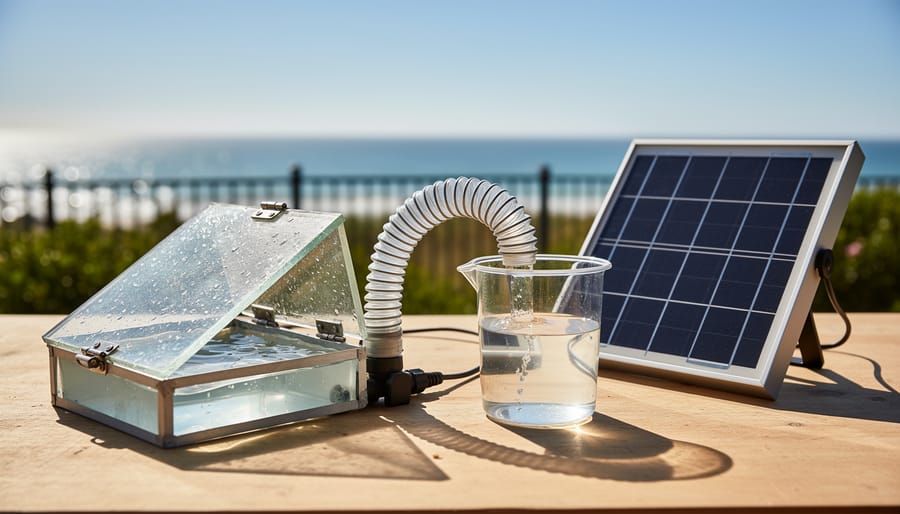
Building a solar-powered water desalination system transforms saltwater into drinkable freshwater using only sunlight, combining a solar still or photovoltaic-powered reverse osmosis unit with basic materials you can assemble in a weekend. For beginners, a passive solar still offers the simplest entry point, requiring minimal technical skill and an investment of roughly $50 to $200 depending on scale, while more advanced builders can construct active systems capable of producing several liters of purified water daily.
The beauty of …
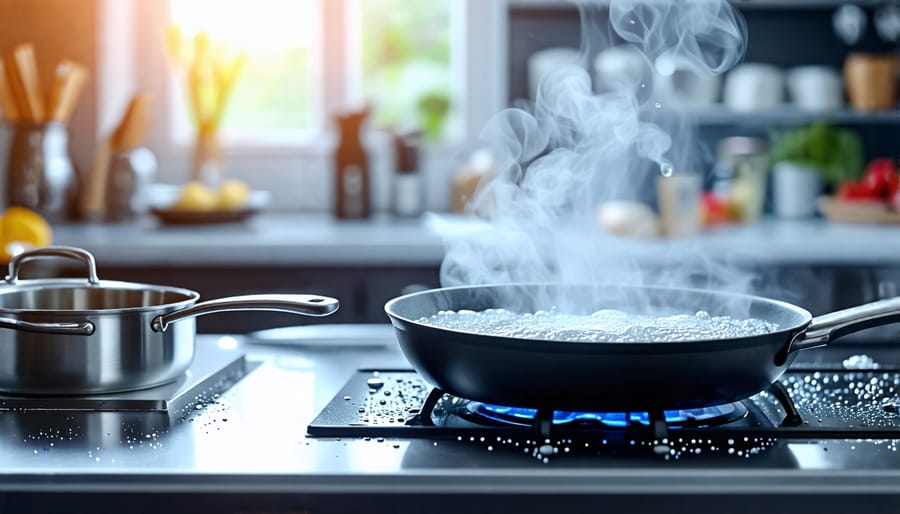
What Simmering Water Really Looks Like: A Visual and Scientific Exploration
Observe the tiny bubbles: Simmering water exhibits small, gentle bubbles that rise slowly, unlike the vigorous, rolling bubbles of boiling water. Maintain a temperature range: Keep the water temperature between 185°F and 205°F (85°C – 96°C) for the perfect simmer, preserving the ingredients’ integrity while allowing flavors to meld. Use a thermometer: Confirm the water’s temperature with a culinary thermometer to ensure it doesn’t exceed the simmering range, preventing overcooking. Distinguish the sound: Listen for a soft, steady noise, as simmering produces a quieter hum compared to the roar of boiling, …
5 Fun Science Review Games for Classroom Engagement
As a teacher, finding innovative ways to review crucial concepts with your students can be a game-changer, especially when it comes to complex science topics. Integrating fun classroom review games into your teaching strategy can break the monotony of traditional teaching methods in an interactive and collaborative learning environment.
I want to share with you five science-themed games for your next review sessions. Each game is designed to cater to various aspects of the science curriculum, making difficult topics more accessible and enjoyable for your …
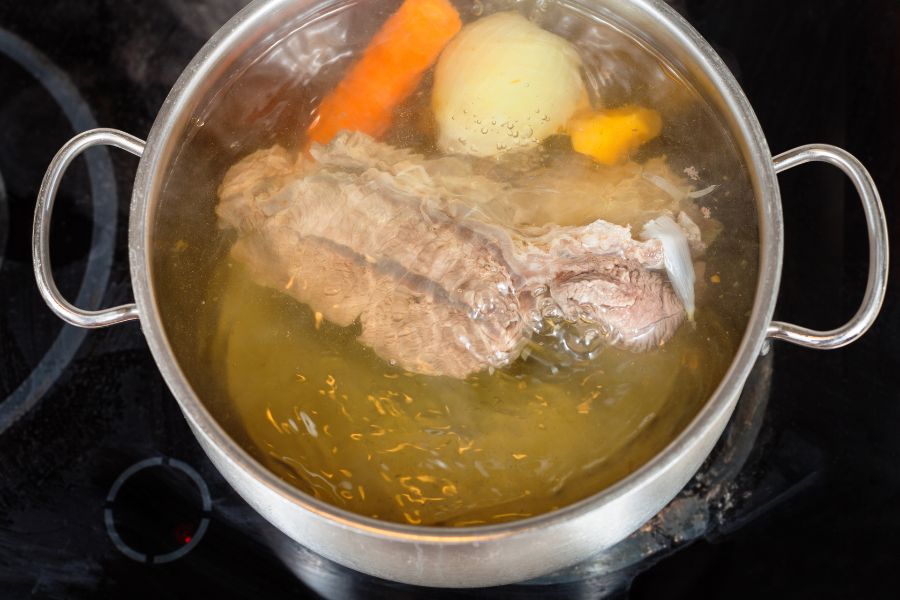
What Does Simmering Water Look Like? A Complete Guide
Simmering is a fundamental cooking technique that falls between a gentle bubbling and a rolling boil. Understanding what does simmering water looks like is crucial for preparing a wide range of dishes and incredibly delicate foods.
Unlike the vigorous activity in boiling water, simmering is a more subdued and controlled cooking method. This technique benefits recipes with slow and gentle heat, such as soups, stews, and sauces. It allows flavors to meld and ingredients to cook thoroughly without the harshness of boiling, which can…