
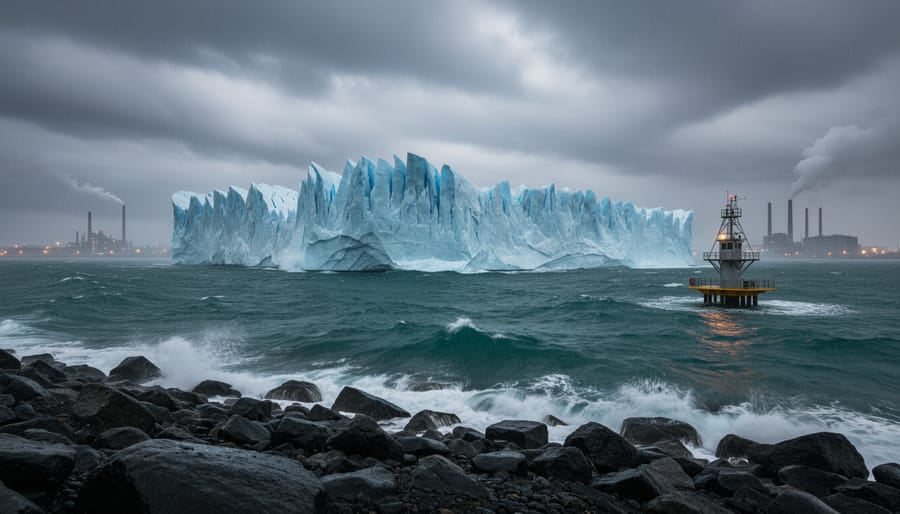
The United Nations released major climate assessments in mid-2026 that sharpen the scientific picture of planetary risk and adaptation needs. The UN Secretary-General’s Scientific Advisory Board published “Earth System Tipping Points” on June 23, 2026, warning that critical thresholds in ice sheets, ocean currents, and ecosystems may be closer than earlier models suggested. Just weeks earlier, on April 29, the World Meteorological Organization delivered the “European State of the Climate 2025,” documenting record warmth and extreme weather across the continent. Together with ongoing updates to the UN …

UN Climate Report News Update: What Changed and What to Watch in 2026
The United Nations Intergovernmental Panel on Climate Change delivered its starkest assessment yet in March 2023 with the Synthesis Report of the Sixth Assessment Report (AR6), concluding that humans are responsible for all global heating over the past 200 years and that Earth’s temperature has already risen 1.1°C above pre-industrial levels. This comprehensive document, which caps nearly a decade of work by hundreds of scientists worldwide, represents the most authoritative …
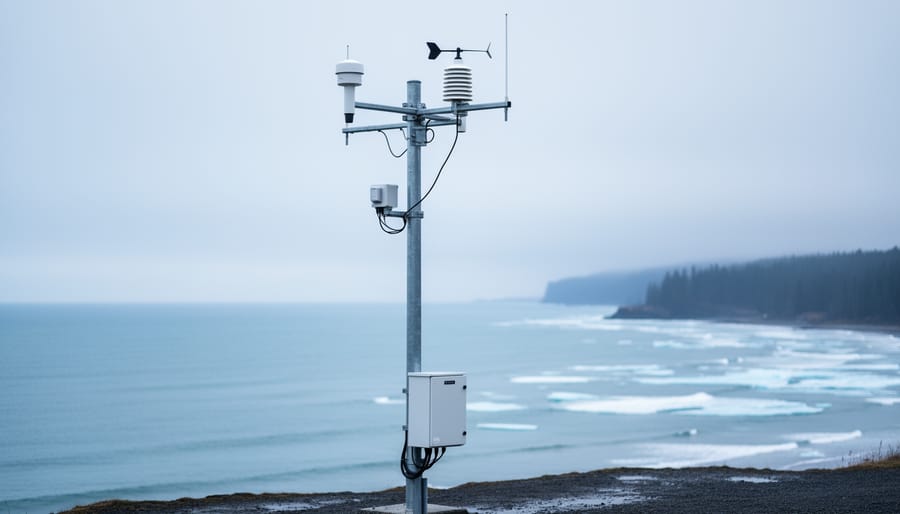
Climate Change 2026 News Update: What Changed and What to Watch
The year 2026 is virtually certain to rank among the four hottest years ever recorded, according to Canadian climate scientists who released their annual global mean temperature forecast this month. This projection isn’t speculation. It’s the result of sophisticated modeling that integrates real-time atmospheric data, ocean temperature patterns, and established climate trends to predict what the planet will experience over the coming months.
Environment and Climate Change Canada’s forecast arrives as researchers worldwide intensify efforts to track how quickly warming is accelerating and what that means for …
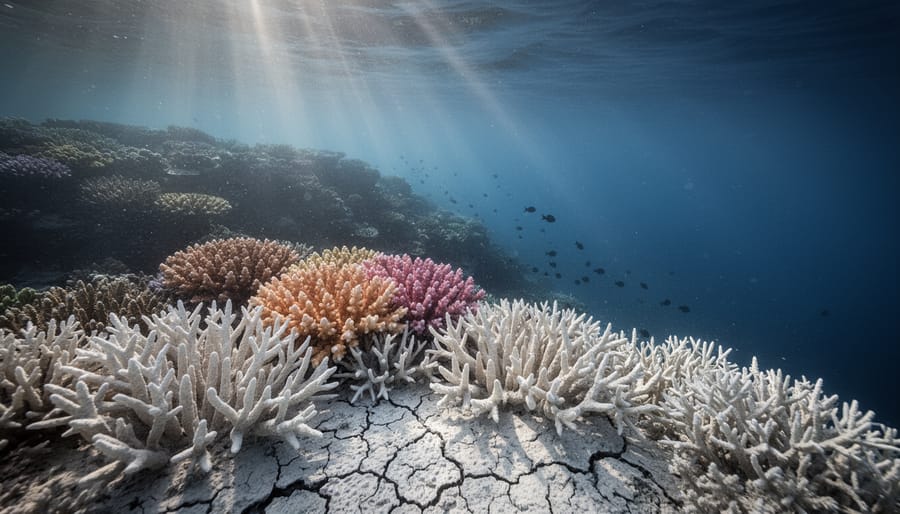
Have We Reached Climate Change’s Point of No Return? What the Latest Research Shows
The climate change point of no return refers to a critical threshold beyond which certain planetary systems undergo irreversible change, continuing to warm or deteriorate even if greenhouse gas emissions stop completely. This concept encompasses multiple tipping points, from ice sheet collapse to ocean circulation shutdown, each with distinct timelines and consequences for life on Earth.
Understanding whether humanity has crossed this threshold matters because it shapes how we respond. The distinction between reversible warming and runaway climate change determines whether our focus should be purely on adaptation or whether emission…
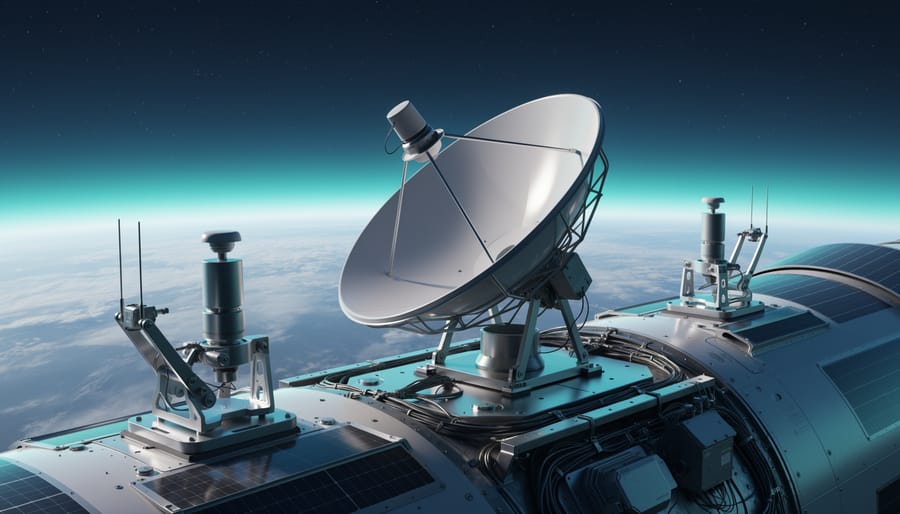
What Are Innovations in Aerospace (and How Do They Transform Atmospheric Sciences)?
Innovations in aerospace represent the cutting-edge technologies and engineering advances that enable safer, more efficient, and more sustainable flight, space exploration, and atmospheric research. These breakthroughs span everything from hypersonic propulsion systems and autonomous flight controls to advanced materials that withstand extreme conditions and satellite networks that monitor Earth’s climate in unprecedented detail.
The significance of aerospace innovation extends far beyond the industry itself. Modern aircraft designs reduce fuel consumption and emissions, directly addressing climate challenges. Satellite …
Nepal Climate Change News Update: What Changed and What to Watch in 2026
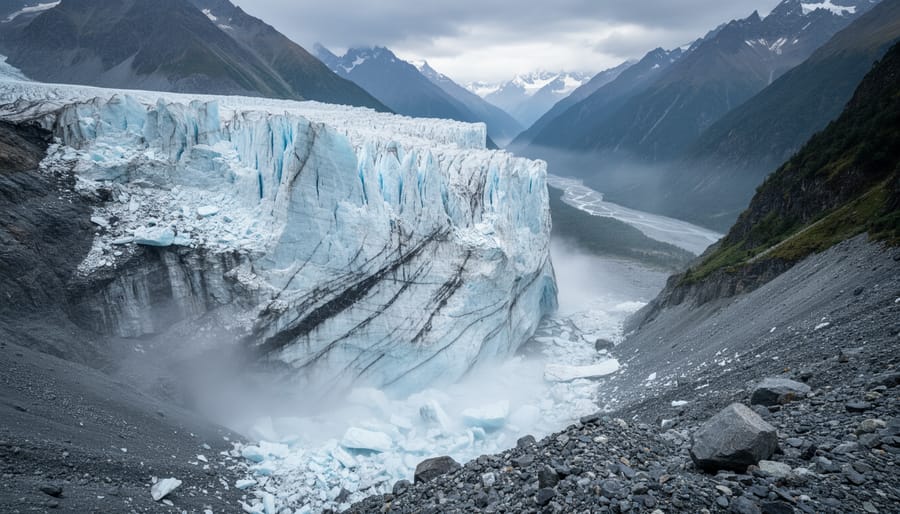
On August 26, 2026, a massive section of glacier at 5,200 meters elevation broke away and plummeted 1,200 meters down a Himalayan slope in Nepal, triggering a destructive debris flow that surged into the Lhende river catchment and sent a violent flood wave across the Nepal-China border at Rasuwagadhi. The U.S. Geological Survey confirmed the collapse generated seismic signals initially mistaken for an earthquake, underscoring the sheer scale of the event. This disaster exemplifies a troubling pattern documented by Kathmandu-based research institutions: glaciers across the Himalayas are melting at an accelerating rate, destabilizing …
Is Climate Change Reversible? What Science Says About Turning Back the Clock
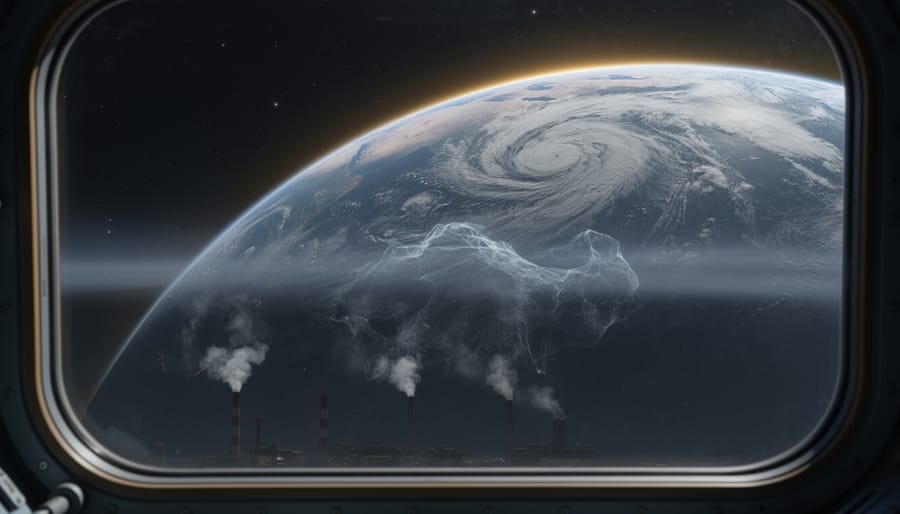
Climate change reversibility refers to the potential for Earth’s climate system to return to previous conditions after greenhouse gas concentrations decline or stabilize. The short answer is nuanced: while we can halt additional warming by reaching net-zero emissions, some changes already set in motion will persist for centuries or longer, making full reversal impossible on human timescales.
This question matters now more than ever because understanding what can and cannot be reversed shapes how nations allocate resources and set policy priorities. Canada, for instance, has committed to net-zero emissions by 2050 under the …
Canadian Net-Zero Emissions Accountability Act: What It Means for Climate Research, Compliance, and Public Engagement
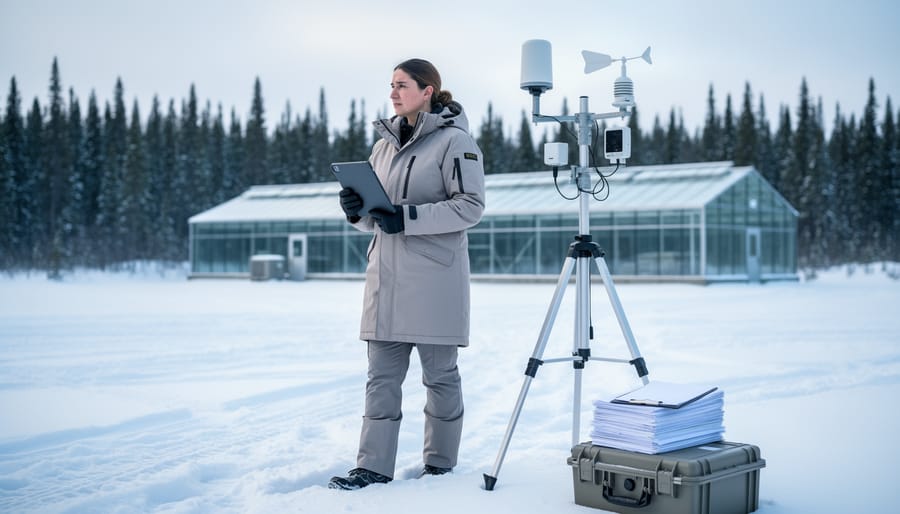
Canada’s Canadian Net-Zero Emissions Accountability Act, enacted through Bill C-12, establishes legally binding greenhouse gas reduction targets with the explicit goal of reaching net-zero emissions by 2050. The legislation transforms environmental science from an advisory role into a core component of national policy, requiring the Minister of the Environment to set milestone targets for 2030, 2035, 2040, and 2045, each accompanied by detailed emissions reduction plans, progress reports, and assessment reports tabled before Parliament.
This framework represents a fundamental shift in how climate research informs public policy…
What Is the Scientific Consensus on Climate Change Reality? Evidence Across Multiple Disciplines
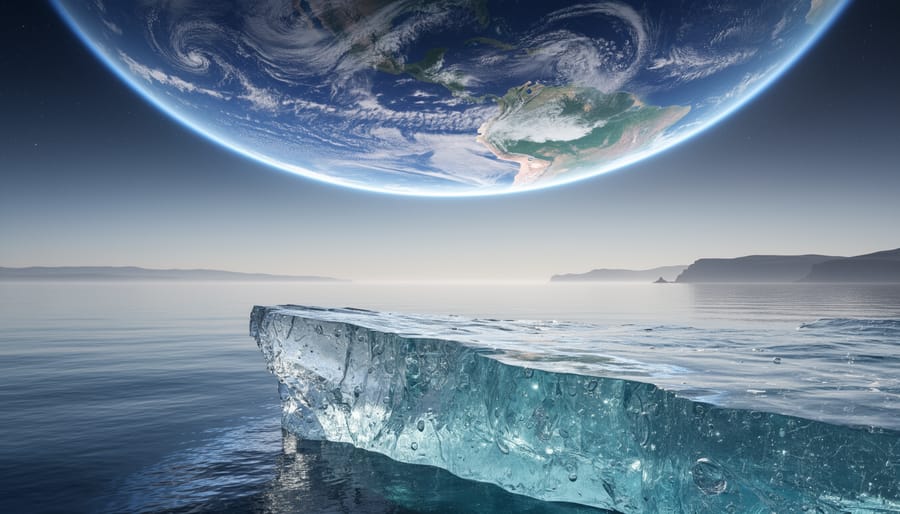
Climate change is real: the scientific evidence confirms that Earth’s climate is warming and human activities are the principal cause. This isn’t a matter of opinion or political debate. More than 99.9% of peer-reviewed scientific papers agree that climate change is mainly caused by humans, representing a level of scientific consensus rarely seen in any field of research.
The question “is climate change real?” often masks a deeper need: people want to understand how scientists know what they know, and whether they can trust that knowledge. That trust is well-placed. Climate science draws on evidence from …
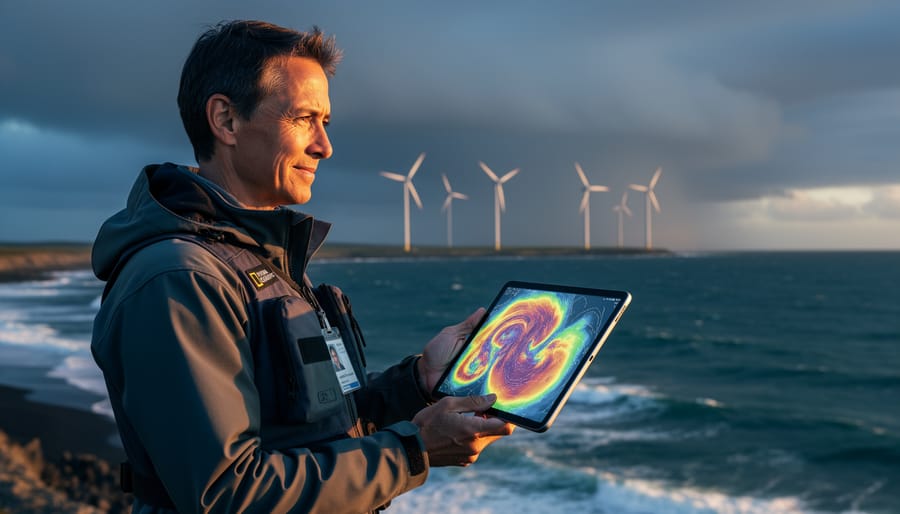
Is There Any Hope for Climate Change? What Climate Scientists Say in 2026
Climate hope means something specific to scientists: a realistic pathway still exists to limit global warming to levels that avoid the worst outcomes, even as we face accelerating impacts. This isn’t optimism born from wishful thinking. The scientific consensus in 2026 is clear: while we’ve already locked in significant warming and are experiencing more severe heat waves, floods, and ecosystem disruption than previous generations, catastrophic runaway warming is not inevitable if we act with …