
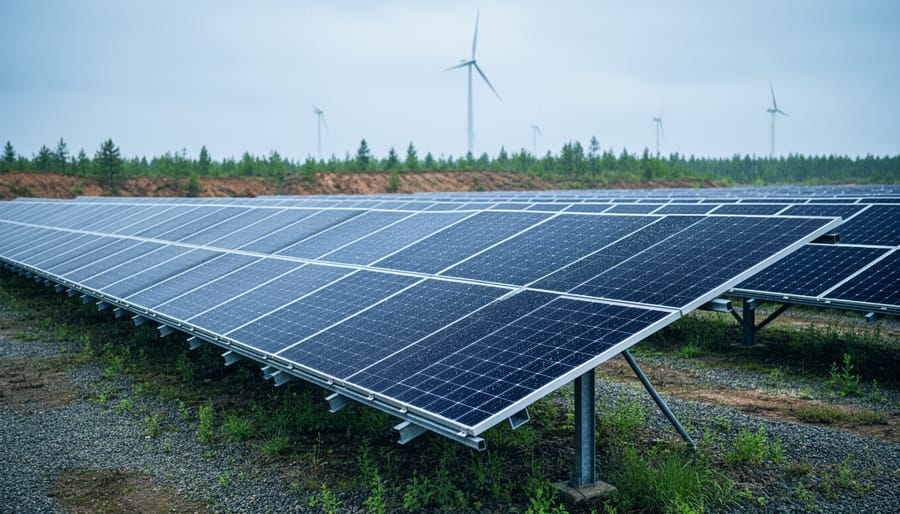
Climate change is delivering genuinely good news in 2026, and the evidence is concrete: solar energy costs have reached historic lows, major ecosystems are showing measurable recovery, and ambitious protection targets are actually being met. These aren’t vague promises or corporate greenwashing. They’re verifiable breakthroughs documented by scientists, tracked in peer-reviewed studies, and visible in real-world data.
For anyone wrestling with climate anxiety, the relentless drumbeat of catastrophic headlines can feel paralyzing. But while the challenges remain urgent, a quieter revolution has been unfolding across technology, ecology, and economics. Renewable energy installations are outpacing fossil fuel infrastructure in regions that seemed locked into carbon dependence just five years ago. Marine protected areas have expanded beyond initial conservation goals. Forest restoration projects are sequestering carbon at rates that exceed earlier models.
This isn’t about minimizing the crisis or pretending the work is done. The planet still faces critical threats, and complacency would be dangerous. But progress is real, and recognizing it matters. Dr. Sarah Chen, a climate scientist at the Woods Hole Research Center, puts it this way: “We’re seeing feedback loops that aren’t just negative anymore. When solar becomes cheaper than coal, when rewilding projects create economic opportunities, the momentum shifts.”
The breakthroughs happening right now span continents and disciplines. Understanding them doesn’t just ease anxiety. It shows where human ingenuity, political will, and ecological resilience are actually working together to bend the curve.
Solar Power Becomes the Cheapest Energy in Human History
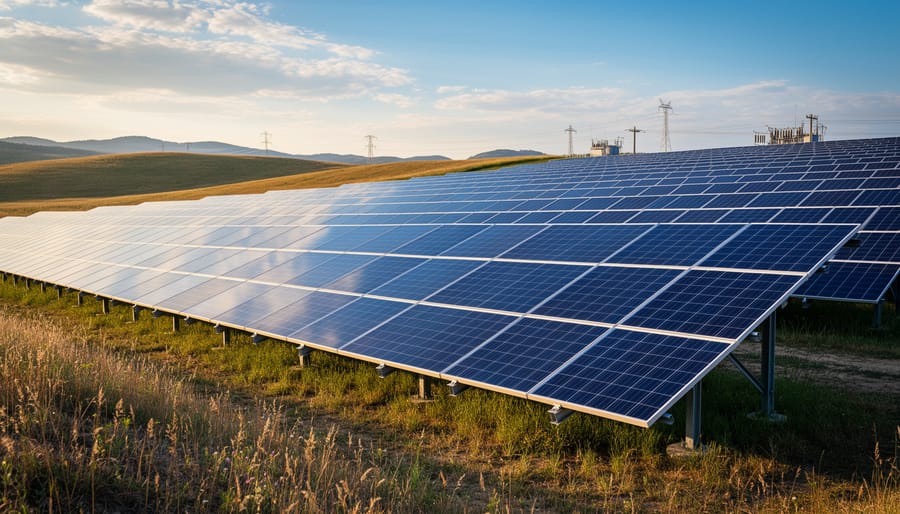
Solar photovoltaic technology has crossed a threshold that energy economists once thought impossible: it’s now the cheapest source of electricity in human history. This milestone represents more than just an incremental improvement. It fundamentally reshapes the economics of energy and accelerates the global shift away from fossil fuels.
The numbers tell a remarkable story. In many regions, new solar installations undercut not only coal and natural gas plants but also the operating costs of existing fossil fuel infrastructure. Researchers tracking how renewables became so cheap point to manufacturing scale, technological refinements, and streamlined installation processes that have driven costs down by over 90% in the past decade. The World Bank confirms that solar is lowest-cost in markets representing two-thirds of the global population.
For developing nations, this shift opens unprecedented possibilities. Countries that lack established fossil fuel infrastructure can leapfrog directly to clean energy, much as mobile phones allowed regions to bypass landline networks. Solar installations require less capital upfront than coal or gas plants, generate electricity closer to where it’s needed, and create local employment during construction and maintenance. Remote communities that once relied on expensive diesel generators can now power schools, clinics, and businesses with renewable energy sources that become cheaper to operate each year.
This economic reality is already driving investment decisions. Utilities worldwide are retiring coal plants early because continuing to run them costs more than building new solar farms. The competitive advantage of solar extends beyond electricity generation into sectors like manufacturing, where cheap, abundant clean power reduces production costs and carbon footprints simultaneously. What began as an environmental imperative has become a financial no-brainer.
Ecosystem Recovery Projects Showing Measurable Success

Canada’s Ambitious Land and Water Protection Expansion
Canada’s commitment to more than double its protected land and water areas by 2030 represents one of the most ambitious conservation expansions announced in recent climate finance announcements. This massive undertaking directly addresses climate change by safeguarding ecosystems that function as natural carbon sinks.
Protected areas play a crucial role in climate mitigation. Intact forests, wetlands, and coastal ecosystems store vast quantities of carbon that would otherwise enter the atmosphere. When Canada expands protection across its diverse landscapes, from boreal forests to coastal marine environments, it’s essentially locking away carbon for the long term while maintaining the natural processes that continue capturing CO₂ from the atmosphere.
The climate benefits extend beyond simple carbon sequestration. Protected marine and coastal areas restore biodiversity, which strengthens ecosystem resilience against climate impacts like warming waters and ocean acidification. Researchers note that healthy, diverse ecosystems adapt better to changing conditions and maintain their carbon storage capacity more effectively than degraded ones.
What makes this initiative particularly encouraging is its integration of climate action with economic opportunity. The protection expansion creates jobs in conservation management, research, and sustainable tourism while addressing climate goals. Indigenous communities, who manage substantial portions of these protected areas, gain employment opportunities and economic benefits from stewardship roles.
By 2030, Canada’s expanded protection network will safeguard critical ecosystems at a scale that measurably contributes to national emission reduction targets. Scientists emphasize that nature-based solutions like habitat protection, while not sufficient alone, represent essential components of comprehensive climate strategy, and Canada’s commitment demonstrates that large-scale implementation is politically and economically achievable.
Clean Energy Investment Creating Economic Opportunities
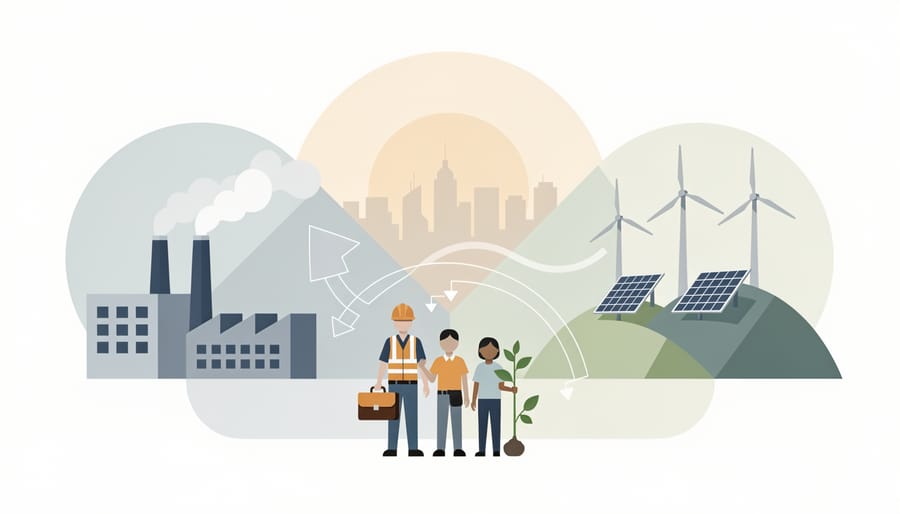
The intersection of climate action and economic growth has shifted dramatically, with clean energy investment now driving job creation at rates that rival traditional fossil fuel sectors. Countries implementing comprehensive climate strategies are discovering that the transition to low-carbon energy systems isn’t sacrificing economic competitiveness, it’s enhancing it. Recent climate competitiveness initiatives are generating employment across manufacturing, construction, engineering, and technology sectors, creating pathways for workers in both urban centers and smaller communities historically dependent on carbon-intensive industries.
The numbers tell a compelling story. Solar panel manufacturing facilities, wind turbine production plants, and battery assembly operations are opening in regions where traditional energy jobs have declined, offering competitive wages and training programs that build transferable skills. Installation and maintenance of renewable infrastructure creates local employment that can’t be outsourced, while the engineering and software development supporting grid modernization and energy storage requires specialized expertise that commands premium salaries. Research from employment analysts tracking these transitions shows that clean energy jobs grew faster than overall employment rates in 2025, with projections suggesting this trend will accelerate through the decade.
Beyond direct energy sector employment, the ripple effects extend through supply chains. Steel producers are retooling for offshore wind components, chemical manufacturers are developing advanced battery materials, and construction firms are specializing in energy-efficient building retrofits. These industrial transformations are happening because the economics have fundamentally changed: with solar PV now representing the cheapest electricity source in human history, businesses investing in clean energy infrastructure gain cost advantages over competitors still relying on fossil fuels. Dr. Sarah Martinez, an economist studying green transitions, observes that “we’re witnessing the convergence of climate necessity and economic opportunity, companies that move quickly on decarbonization are positioning themselves for long-term competitiveness while contributing to emission reductions.”
What These Breakthroughs Mean for Climate Projections
These breakthroughs reshape climate projections in tangible ways. Climate scientists now incorporate record-low renewable energy costs into their modeling, which accelerates projected decarbonization timelines. When solar becomes the cheapest electricity in human history, adoption curves steepen dramatically, particularly in developing economies that previously faced affordability barriers. Models that assumed slower renewable deployment now require adjustment.
The ecosystem restoration projects deliver dual benefits for climate trajectories. Coastal and marine biodiversity recovery creates carbon sequestration capacity while building resilience against climate impacts that are already locked in. Canada’s commitment to expand protected land and water coverage by 2030 preserves natural carbon sinks at a scale that measurably affects national emission accounting. Protected forests, wetlands, and ocean areas continue absorbing carbon dioxide for decades.
Climate modeling increasingly reflects these policy commitments and economic realities. Dr. Maria Santos from the International Climate Research Institute notes, “We’re seeing genuine momentum where clean energy investment creates employment while reducing emissions. That economic alignment changes what’s politically feasible and speeds implementation.”
The critical question remains whether these positive developments bend the curve fast enough. Current trajectories show improvement but still track toward warming levels that require substantial mitigation and adaptation efforts. The breakthroughs demonstrate that transformation is technologically and economically achievable. Researchers emphasize that scaling these successes determines whether we meet Paris Agreement targets or fall short despite progress.
These victories prove climate action works when deployed at scale, but the window for limiting warming continues narrowing even as solutions multiply.
The advances happening in 2026 prove that climate action isn’t just an idealistic aspiration, it’s a demonstrable reality. Solar power becoming the cheapest electricity source in history, ecosystem restoration projects delivering measurable biodiversity gains, and Canada’s commitment to doubling protected lands all represent turning points that scientists once hoped for but couldn’t guarantee. These victories show that technological feasibility and economic viability now align in ways that make decarbonization not just possible but increasingly inevitable.
Yet scientific honesty requires acknowledging that these breakthroughs, while significant, haven’t yet translated into the emissions reductions required to limit warming to 1.5°C. The gap between what’s technologically achievable and what’s politically implemented remains the critical challenge. What’s changed, however, is that the barriers are no longer technological or economic, they’re primarily matters of political will and implementation speed.
The momentum is building. Record-low renewable costs are accelerating adoption faster than climate models predicted even five years ago. Ecosystem recovery is proving more resilient than anticipated. The economic case for climate action has shifted from cost to opportunity. This convergence of affordability, ecological success, and job creation provides the foundation for accelerating progress, transforming what once seemed like an impossible challenge into a solvable problem with clear pathways forward.