
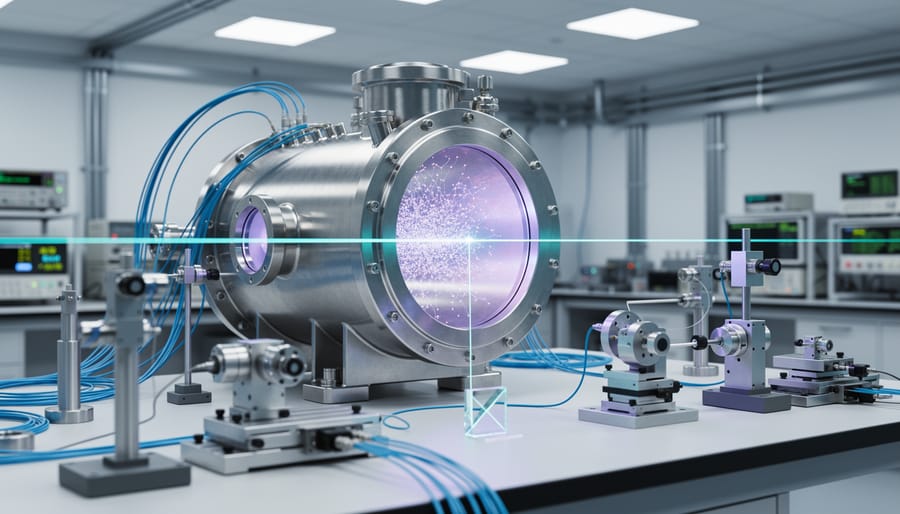
Trapped-ion quantum computing harnesses individually controlled charged atoms suspended in electromagnetic fields to perform quantum calculations, representing one of the most promising platforms for building fault-tolerant quantum computers. Unlike other approaches to what is quantum computing trapped ions offer exceptional qubit stability and remarkably low error rates, with systems now achieving operational fidelities above 99.9%.
The technology reached a commercial milestone in 2026 when Quantinuum launched Helios, a 98…

What Are Ceramic Coatings? How Nanotechnology Protects Modern Vehicle Paint
Ceramic coating nanotechnology uses microscopic particles, typically measuring between 50 and 100 nanometers, to create an ultra-thin protective layer that chemically bonds with a vehicle’s paint surface at the molecular level. Unlike traditional waxes or sealants that simply sit on top of paint, these nanostructured coatings form covalent bonds with the clear coat, creating a semi-permanent shield that repels water, resists scratches, and blocks UV damage.
The science behind this protection lies in the nano-scale engineering. Silicon dioxide (SiO₂) and titanium dioxide (TiO₂) molecules arrange themselves in a crystalline …

What Is Simmering Water (and How Does It Work)?
Simmering water is water heated to a temperature between 180°F and 205°F (82°C to 96°C), producing gentle bubbles that break the surface intermittently rather than the vigorous, rolling boil seen at 212°F. This narrow temperature range represents one of cooking’s most essential yet frequently misunderstood techniques, sitting at the intersection of culinary art and thermal physics.
Understanding what constitutes a true simmer matters far beyond kitchen semantics. The difference between a simmer and a boil determines whether your chicken stock turns cloudy or crystal clear, whether delicate fish fillets hold together or …
What Is Quantum Mechanics (and How Does It Work)?
Quantum mechanics is the branch of physics that describes the behavior of matter and energy at the atomic and subatomic scale, where particles exhibit properties fundamentally different from everyday objects. At these microscopic dimensions, particles can exist in multiple states simultaneously, tunnel through barriers that should be impenetrable, and influence each other instantaneously across vast distances.
This century-old framework has evolved from a theoretical curiosity into the foundation of modern technology. The transistors powering your smartphone, the lasers enabling fiber-optic communication, and the magnetic resonance …
What Is AI and Quantum Physics Integration (and How Does It Work)?
The integration of AI and quantum physics represents two revolutionary technologies working in tandem: artificial intelligence algorithms are accelerating quantum computing development and solving complex quantum problems, while quantum computers promise to supercharge AI capabilities beyond what classical machines can achieve. This bidirectional relationship is reshaping both fields as researchers discover that machine learning can optimize quantum systems and quantum processors can tackle AI calculations that would take conventional computers millennia.
The convergence matters because …

Is Climate Change Reversible? What Science Says About Turning Back the Clock
Climate change reversibility refers to the potential for Earth’s climate system to return to previous conditions after greenhouse gas concentrations decline or stabilize. The short answer is nuanced: while we can halt additional warming by reaching net-zero emissions, some changes already set in motion will persist for centuries or longer, making full reversal impossible on human timescales.
This question matters now more than ever because understanding what can and cannot be reversed shapes how nations allocate resources and set policy priorities. Canada, for instance, has committed to net-zero emissions by 2050 under the …
What Is Quantum Medicine (and How Does It Work)?
Quantum medicine refers to experimental approaches in healthcare that attempt to apply principles from quantum physics to biological processes, diagnostics, and treatment. At its core, this emerging field explores whether quantum mechanical phenomena like superposition, entanglement, and tunneling play functional roles in living systems and whether these effects can be harnessed for medical purposes.
The concept sits at a controversial intersection of cutting-edge physics and biology. While quantum mechanics governs all matter at the atomic level, the question remains whether these effects survive long enough in warm, wet biological…
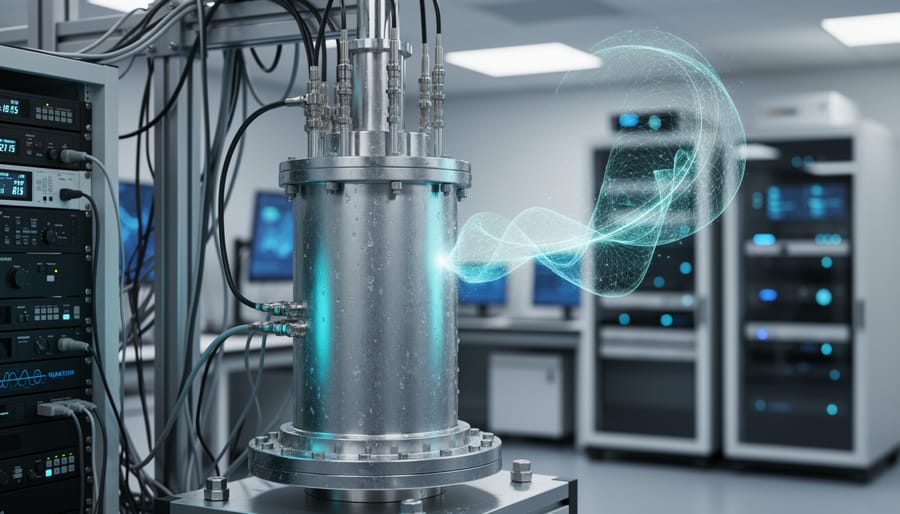
What Is Quantum Computing (and How Does It Work)?
Quantum computing is a revolutionary approach to information processing that harnesses the principles of quantum mechanics to perform calculations fundamentally impossible for conventional computers. Unlike classical computers that store information as binary bits (0s and 1s), quantum computers use quantum bits, or qubits, which can exist in multiple states simultaneously through a property called superposition. This allows quantum machines to explore vast numbers of solutions in parallel, promising breakthroughs in fields from drug discovery to cryptography.
The difference is profound. A classical computer solves problems …
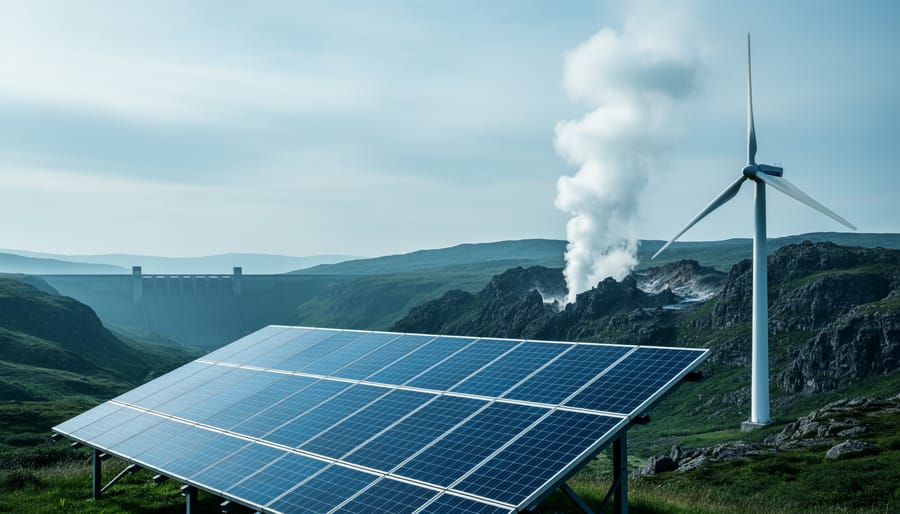
What Are Low-Carbon Energy Sources (and How Do They Work)?
Low-carbon energy sources are energy generation methods that produce significantly lower greenhouse gas emissions throughout their lifecycle compared to fossil fuels, typically releasing less than 100 grams of carbon dioxide equivalent per kilowatt-hour of electricity. These technologies represent humanity’s most viable pathway to powering civilization while avoiding catastrophic climate change.
The stakes couldn’t be higher. Energy production currently accounts for roughly three-quarters of global …
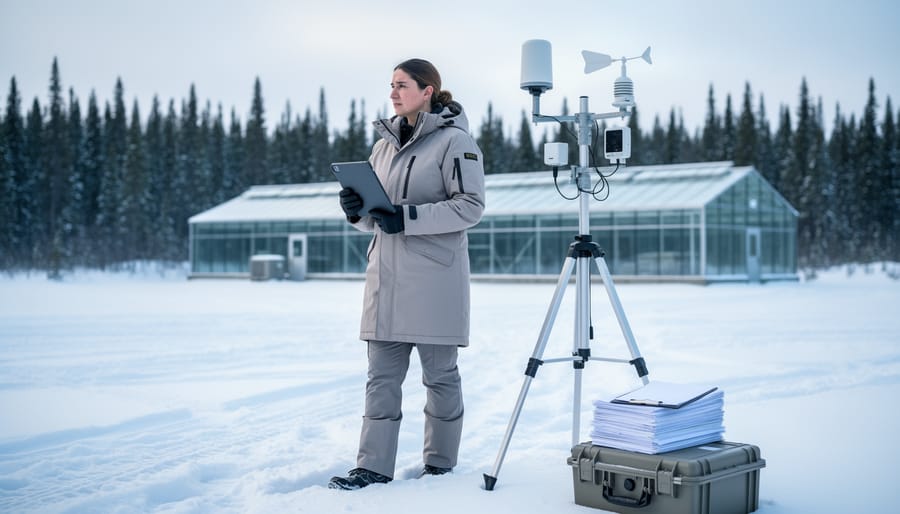
Canadian Net-Zero Emissions Accountability Act: What It Means for Climate Research, Compliance, and Public Engagement
Canada’s Canadian Net-Zero Emissions Accountability Act, enacted through Bill C-12, establishes legally binding greenhouse gas reduction targets with the explicit goal of reaching net-zero emissions by 2050. The legislation transforms environmental science from an advisory role into a core component of national policy, requiring the Minister of the Environment to set milestone targets for 2030, 2035, 2040, and 2045, each accompanied by detailed emissions reduction plans, progress reports, and assessment reports tabled before Parliament.
This framework represents a fundamental shift in how climate research informs public policy…